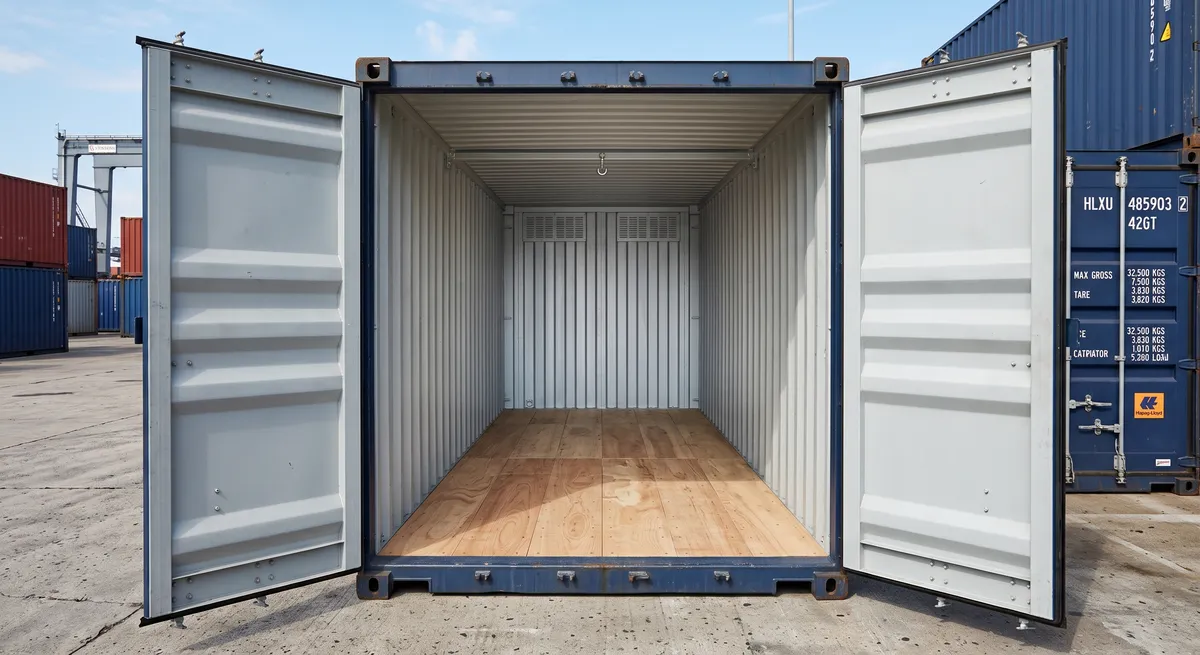
Every month without a tenant means a container that takes up space, needs inspections and slowly loses value. And if you do add a listing but leave out the dimensions, access hours or information about the padlock, you will get a dozen calls with the same questions, or nobody will call at all.
Below we describe how to prepare a container for rent, set the price, write a listing that answers tenants' questions and what to put in the contract. The rules described are Polish, because that is where the listings on Maszbox.pl are located.
Is your container suitable for renting out
- Technical condition. A tenant will check the same things as a buyer: tightness, doors, floor and spots of rust. What exactly they look at is described in the containers category. If the container leaks, repair it first.
- Access to where it stands. If the container is to stay on your yard or property, the tenant must have easy access to it. Consider whether you are comfortable with a stranger driving onto your land, and at what hours.
- Delivery to the tenant. If you can move the container to the tenant's address, you widen the pool of interested people. Agree in advance with a carrier how much delivery and collection cost, so you can include this in the offer.
- Formalities. If the container stands on your plot for longer than 180 days, check whether it has the required permit. We describe the rules in the article container on a plot.
Preparing the container before publishing the listing
- Empty and clean it. In photos, an empty and clean container looks bigger and well kept.
- Check for leaks after rain: the roof, corners and door seals.
- Lubricate the hinges and locking bars so the doors open without forcing.
- Prepare the lock. Tenants often want to fit their own padlock. A padlock cover is an extra argument for your offer.
- Look after the yard: lighting, a tidy access road and a lockable gate if the area is fenced.
How to look after a container so that it stays in good condition for a long time is described in the article owning a container.
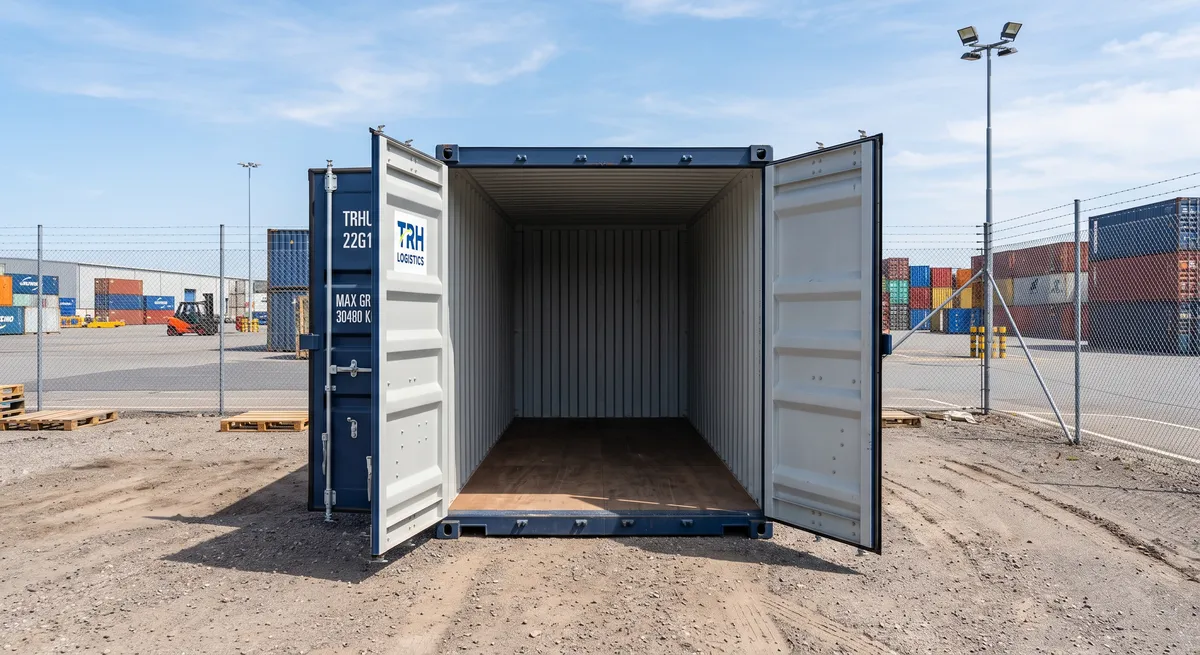
How to set the price
The simplest point of reference is similar offers. Browse the listings in the containers for rent category and compare those that are close to you and of a similar size. When setting the price, consider:
- access: round-the-clock entry is worth more than access at set hours,
- the yard: a fenced and lit area raises the value of the offer,
- standard: an insulated container or one with lighting inside beats an ordinary one,
- location: closer to a city it is usually easier to find a tenant,
- delivery: if you offer it, decide whether it is included in the price or charged separately.
Also decide whether you rent only by the month or for shorter periods too. You can offer a lower rate for a longer rental, because a steady tenant means fewer gaps between contracts.
What to write in the listing so tenants do not have to ask
People looking for a container usually ask the same questions. We list them with containers for rent. Answer them straight away in the listing:
- The internal dimensions and the door opening, not just the length in feet. You will find typical dimensions in the article what container size to choose.
- Type and condition: storage or insulated, watertight, with or without lighting.
- Location and access: whether you can drive right up to the door.
- Access: at what hours and how the gate is opened.
- Lock: whether the tenant fits their own padlock and who has the key.
- What may and may not be stored.
- Rental terms: minimum period, deposit, delivery option.
- Photos: the interior, the doors, the container from outside, the yard and the access road.
A complete listing saves time for you and the tenant, and the questions that still come will be specific. Once you have all the information and photos, add the listing for free by following the guide to adding a listing. It will go into the containers for rent category.
The contract with the tenant
Maszbox connects the parties to a listing but is not a party to the contract. You sign the rental contract directly with the tenant. Put in it:
- the parties and the subject of the rental: a description of the container and where it stands,
- the rental period and notice terms,
- the rent and payment date,
- the deposit: the amount and the conditions for its return,
- prohibited items: usually, among other things, fuels, chemicals and things that spoil quickly,
- access and keys: for example that the tenant fits their own padlock and you do not have a key to it,
- liability for damage: who is responsible for damage to the container and who for the tenant's belongings,
- condition on return: whether the container must be emptied and cleaned.
When handing over the container, draw up a handover report and take photos. This makes it easier to settle the deposit when it is returned.
Tax on renting out a container
If you rent out a container privately, without a business, the income is usually settled as private rental, with a flat-rate tax on recorded revenue:
- 8.5% on revenue up to 100,000 zloty a year,
- 12.5% on the surplus above that amount,
- an annual return on the PIT-28 form.
The private rental rules cover renting out various assets, not just flats. With a container, however, confirm how to settle it with an accountant. If the container belongs to your business, you settle the rental income within the business. Tax rates may change, so check them before filing.

Marsel Zychowski
MaszBox Team
We share practical know-how on renting and selling space - garages, warehouses, storage units, parking spots and more.